
Positive Discipline the Montessori Way
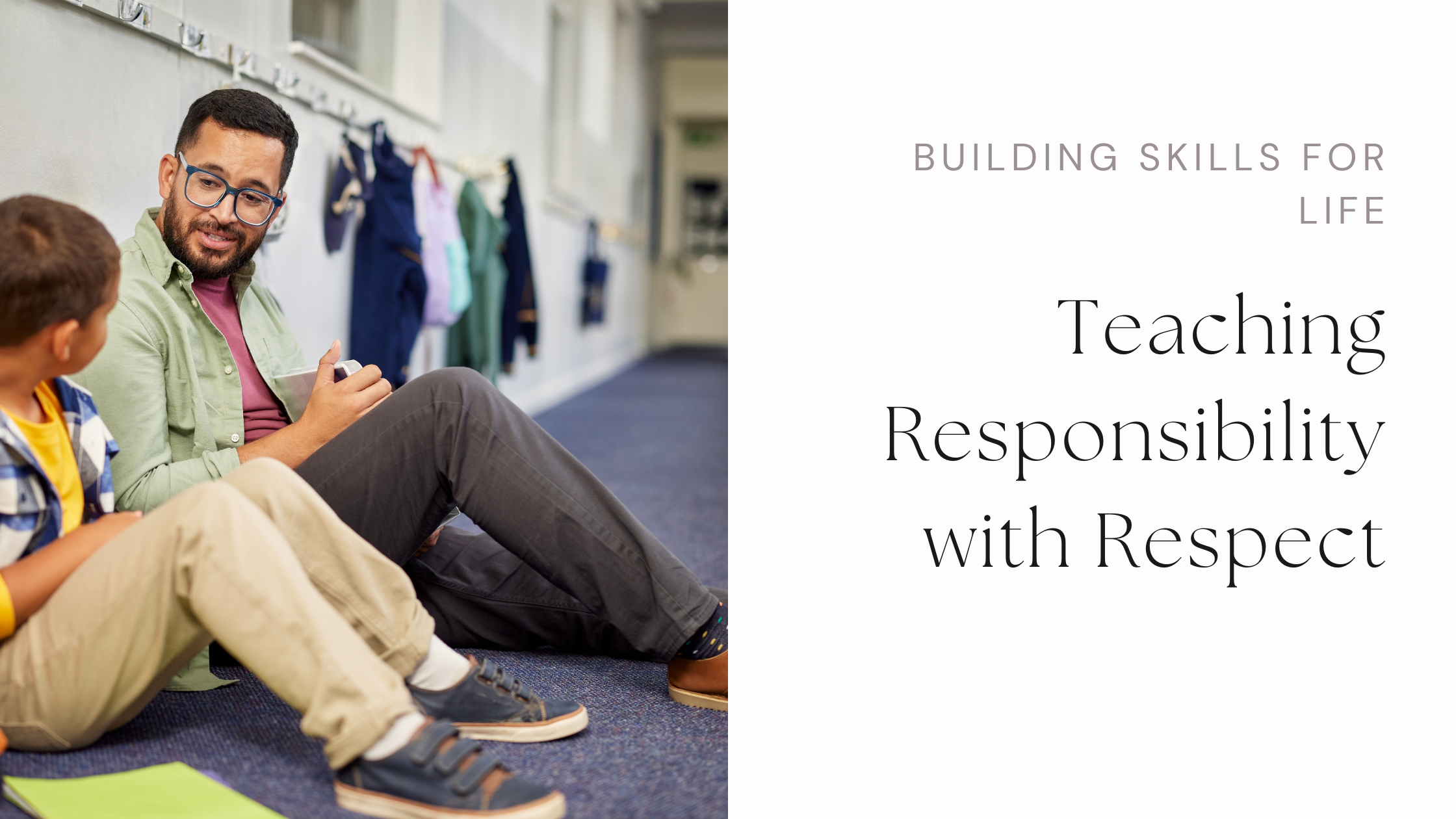
In a Montessori environment, discipline grows from within the child, not from external control.
Children are guided to understand:
How their actions affect others
How to repair harm
And how to express feelings in healthy ways
Discipline isn’t something done to a child — it’s something developed within them through modeling, trust, and repeated real-life practice.
When we talk about discipline, we mean helping children learn to manage their emotions, make better choices, and take responsibility for their actions in a kind, respectful way.
We understand that children make mistakes — it’s how they learn. Instead of focusing on blame or consequences, we focus on connection, empathy, and teaching practical problem-solving.
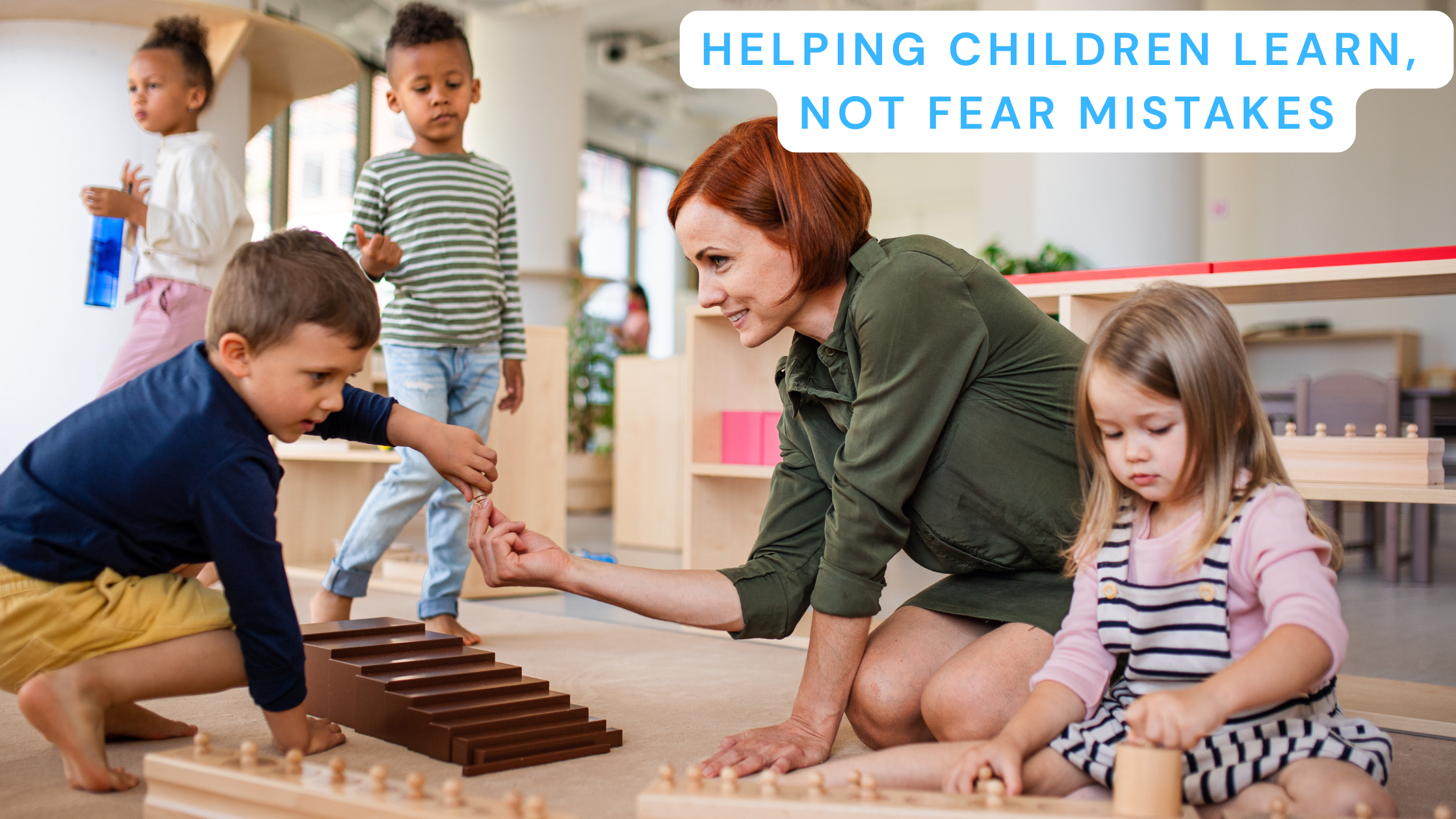
From Reacting to Responding
When conflict happens, as it naturally does, our first priority is safety and empathy.
If one child hurts another, we begin by ensuring everyone is okay. Then we guide both children through a process of repair.
We might say: “I see that Anna is hurt. Let’s check on her.”
Then, to the child who caused harm: “What can you do to help her feel better?”
We offer simple, empowering choices — bring an ice pack, offer a hug, or sit beside their friend until they feel better.
This helps children connect actions to impact and fosters empathy, not because they’re told to be sorry, but because they feel the importance of caring for others.
The Peace Table: A Place to Practice Resolution
Conflict is part of community and it’s also an opportunity to grow.
The Peace Table is a special place where two children can come together when they disagree.
They take turns speaking and listening, often passing a “peace object” back and forth as a reminder to wait, listen, and express calmly.
Our guides stay nearby for gentle support, but the children lead the process
Through this, they begin to build real-world communication and emotional regulation skills that serve them for life.
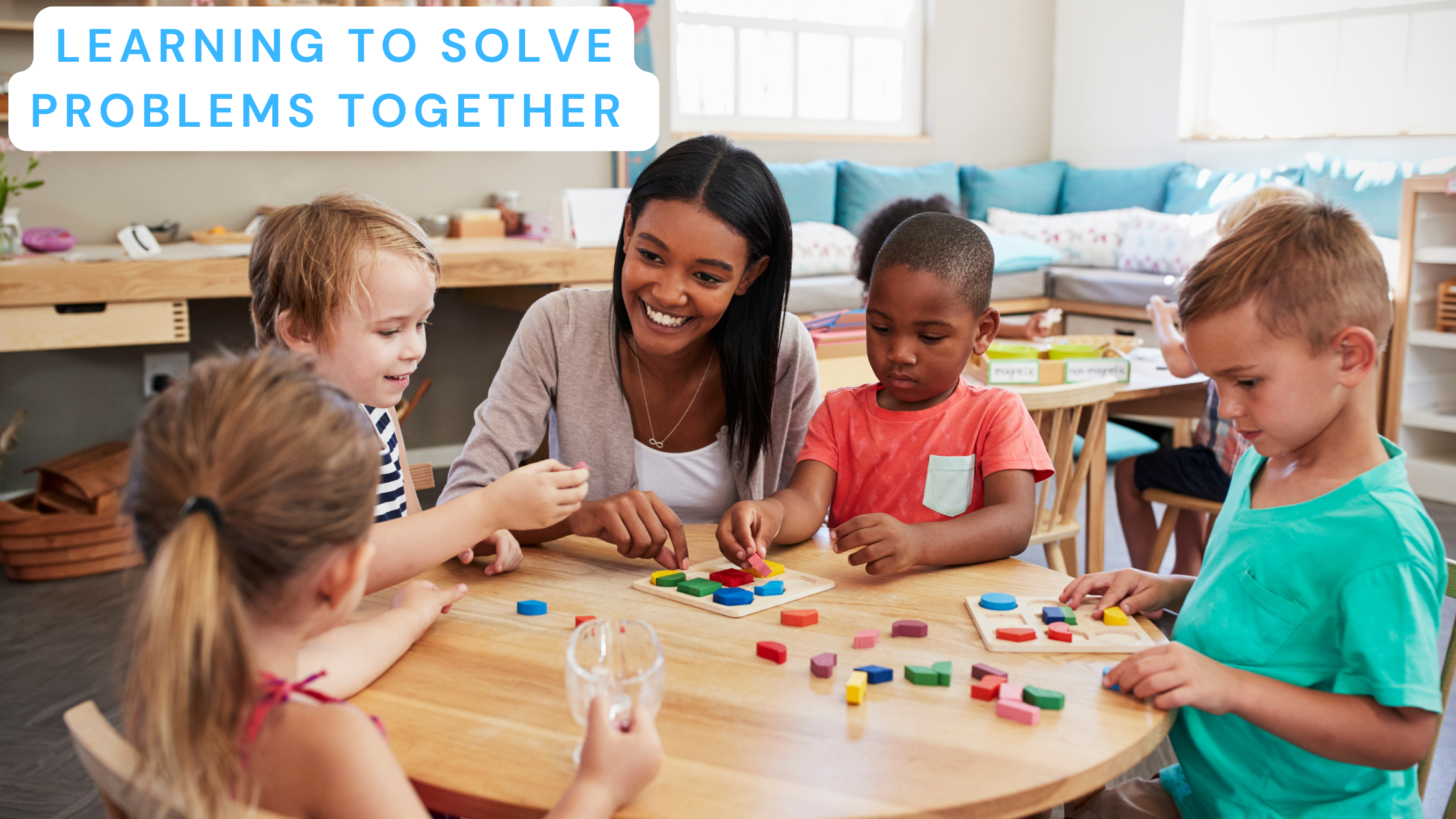
Clear Boundaries, Calm Guidance
When materials are misused, like blocks being thrown instead of built, Guides will step in gently but clearly:
“These blocks are for building. You may use them this way or choose something else.”
We don’t shame or scold.
Instead, we redirect behavior with purpose and respect.
This consistent clarity helps children feel safe, because they know what’s expected.
Correction comes with calm, not criticism.
Natural Consequences: Learning Through Doing
Mistakes are moments for learning.
If water spills, we don’t say, “Look at what you did!”
We simply say: “The water spilled. Let’s clean it together.”
The child learns to care for their environment and feels capable and trusted because they’re part of the solution.
These natural, logical outcomes teach responsibility, problem-solving, and respect without fear or shame.
Discipline Through Connection, Not Control
Everything we do at Kukumi is rooted in the belief that children behave better when they feel safe, understood, and connected.
Research confirms that self-control and empathy are not learned through fear, but through:
Consistent, loving boundaries
Emotional safety
Respectful modeling by adults
Over time, children begin to regulate themselves — not because they fear getting in trouble, but because they’ve practiced awareness, empathy, and care.
Growing Peaceful, Confident Humans
Our goal is to help children learn:
How to express their feelings
How to listen to others
How to fix things when mistakes happen
How to live as peaceful, respectful members of a community
This gentle, human-centered approach builds confidence, emotional intelligence, and strong social skills — the true foundation for lifelong success and happiness.
At Kukumi Montessori, discipline is never about control — it’s about connection.
It’s how we nurture responsible, compassionate children who grow into kind, capable adults.
Experience the Montessori way of discipline — calm, connected, and kind.
Schedule a Tour at Kukumi Montessori to see how Spanish Immersion Schools in South Austin can nurture peaceful classrooms.
